
Comprehensive Keyword Strategy
Back to Organic Traffic Enhancement
Ranking for the wrong keyword is still failure, just slower. A comprehensive keyword strategy isn't a list of high-volume terms — it's understanding what people actually want when they search, where the real opportunities are, and making sure every page on the site is fighting for a clear, distinct target instead of tripping over each other.
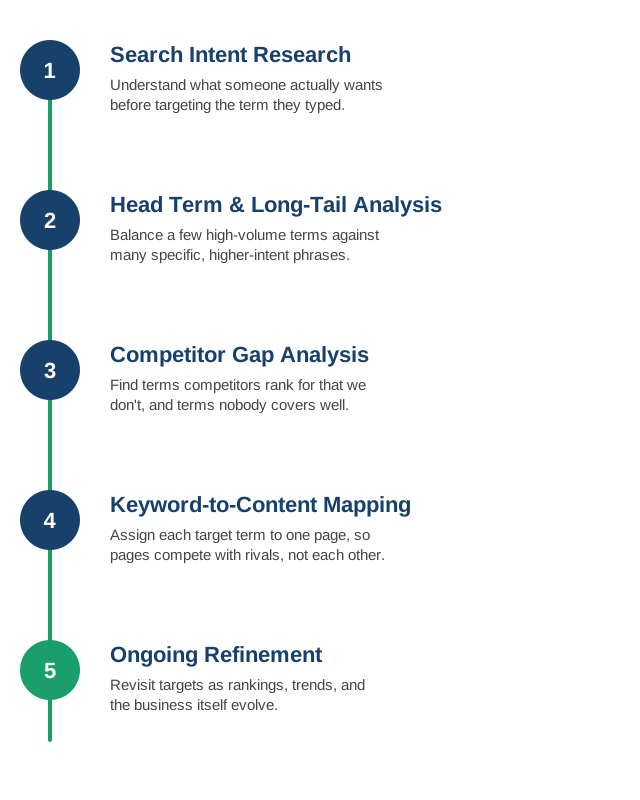
1. Search Intent Research
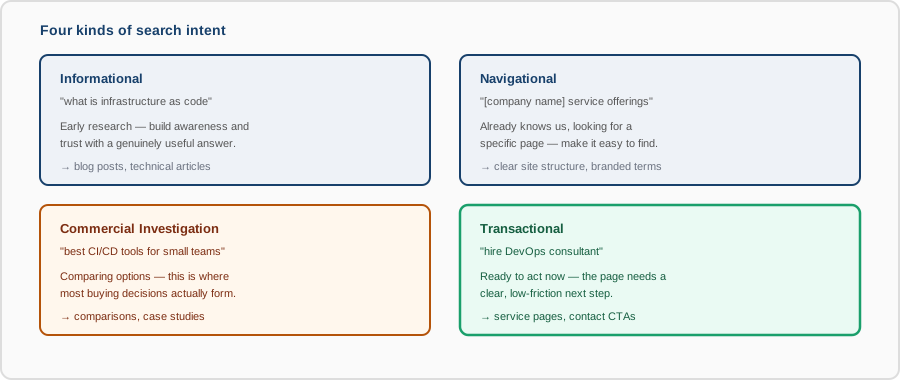
The same word can mean four different things depending on where someone is in their decision — targeting the term without understanding the intent behind it means writing the wrong page for the right keyword.
- Informational: "what is infrastructure as code" — early research, answered with genuinely useful content, not a sales pitch.
- Navigational: looking for a specific page they already know exists — served by clear site structure and branded terms, not competed for.
- Commercial investigation: "best CI/CD tools for small teams" — comparing options, where most buying decisions actually take shape.
- Transactional: "hire DevOps consultant" — ready to act, and the page needs a clear, low-friction next step, not more reading material.
2. Head Term and Long-Tail Analysis
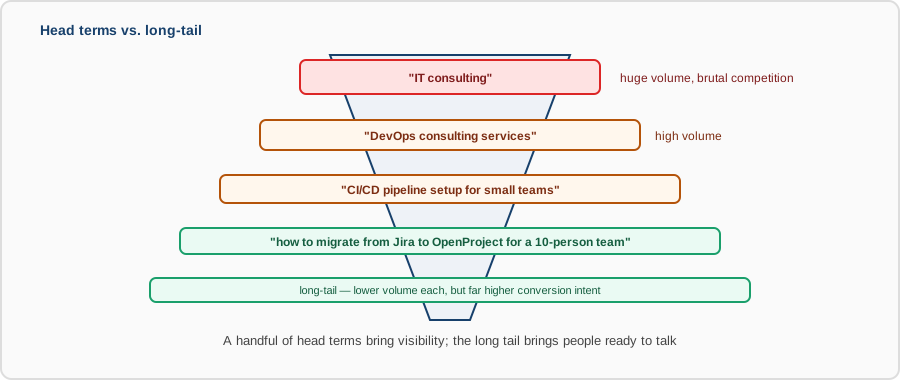
A handful of head terms bring visibility; the long tail brings people who are ready to talk. Both matter, but they earn their place in the strategy differently.
- Head terms: high volume, high competition, slow to rank for — worth targeting for authority and brand visibility, not quick wins.
- Long-tail phrases: specific, lower-volume searches that are faster to rank for and convert at a noticeably higher rate.
- Volume vs. intent trade-off: a term with less search volume but obvious buying intent often outperforms a bigger, vaguer one.
- Portfolio thinking: a handful of head terms plus dozens of long-tail phrases, not a strategy built entirely around one or the other.
3. Competitor Gap Analysis
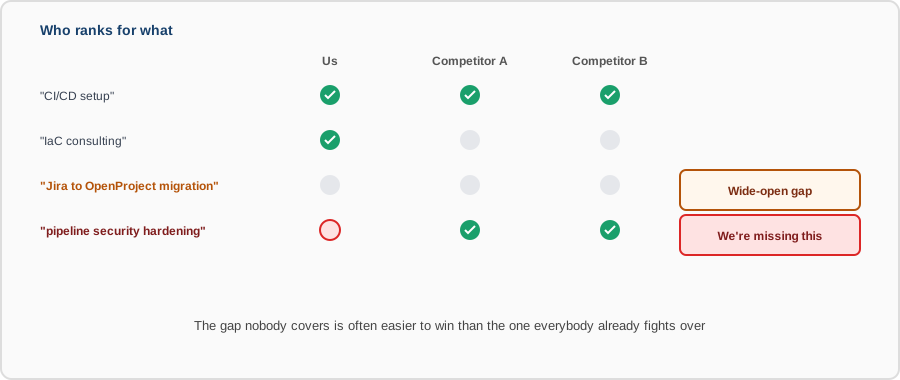
What competitors already rank for tells you where the fight already is. What nobody ranks for well tells you where you can actually win without a fight at all.
- Where competitors rank and we don't: a direct list of catch-up opportunities, prioritized by how winnable they actually look.
- Where nobody ranks well: genuinely open terms — often the fastest path to a first-page result, since there's no entrenched competition to out-rank.
- Content quality gaps: terms where competitors rank with thin or outdated content — an opening for something clearly better.
- Prioritization: gaps ranked by realistic effort vs. payoff, not chased in whatever order they're discovered.
4. Keyword-to-Content Mapping
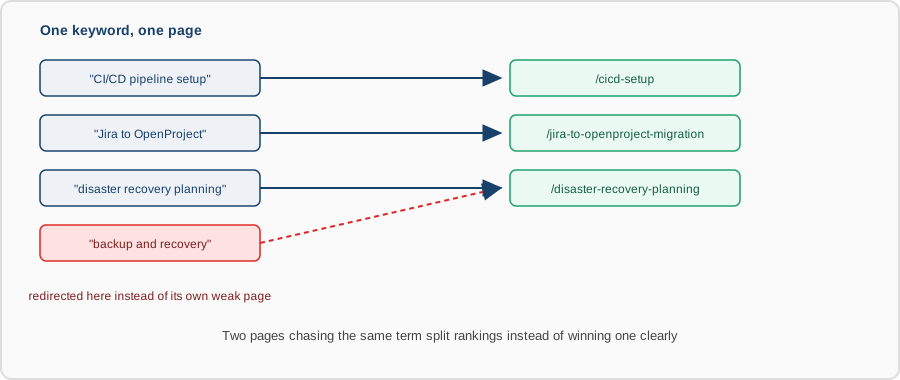
Every target keyword gets assigned to exactly one page. Without this, two pages quietly end up competing for the same term — splitting authority and usually causing both to rank worse than either would alone.
- One keyword, one owner: a single page designated as the canonical target for each priority term.
- Cannibalization checks: existing pages audited for unintentional overlap, with weaker duplicates consolidated or redirected.
- Coverage map: a clear view of which keywords have an owning page and which still need one written.
- New content justified by the map: new pages created to fill a real gap in the map, not just because a topic seemed interesting.
5. Ongoing Refinement
Keyword targets set once and never revisited age the same way any other assumption does — quietly, until they're wrong.
- Performance review: which targeted keywords are actually gaining ground, and which have stalled despite effort.
- Trend tracking: new phrasing and emerging topics in the industry that didn't exist in the original research.
- Business alignment: keyword priorities adjusted as the business itself shifts — a new service deserves new keyword targets, not an afterthought.
- Retirement: targets dropped when they're no longer worth the effort, freeing up focus for ones that are.
Contact us to build a keyword strategy from scratch, or to find out why your current one isn't converting.