
Infrastructure Architecture and Design
Infrastructure that grows into problems usually wasn't badly built — it was never actually designed. It grew one server, one shortcut, and one "just for now" decision at a time. We design the architecture up front: how components connect, where redundancy lives, and how it scales, before any of it gets built.
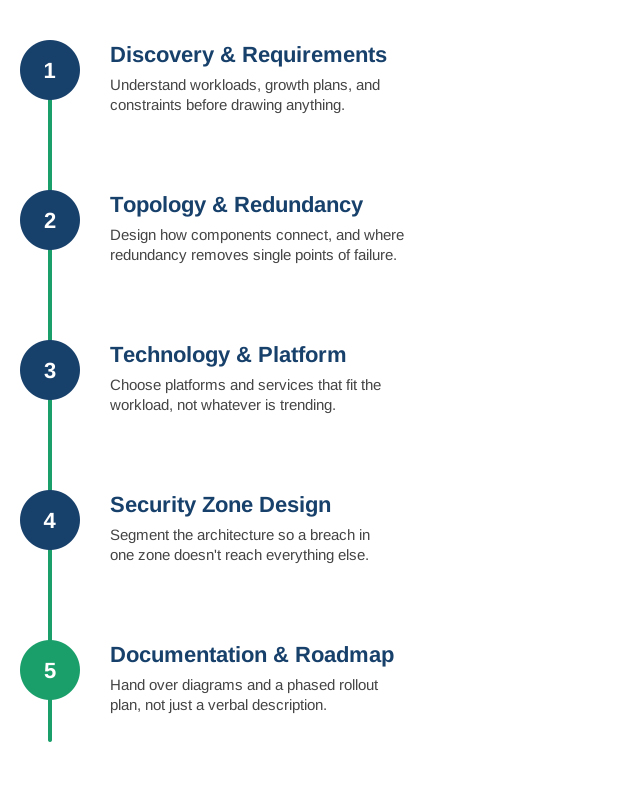
1. Discovery and Requirements
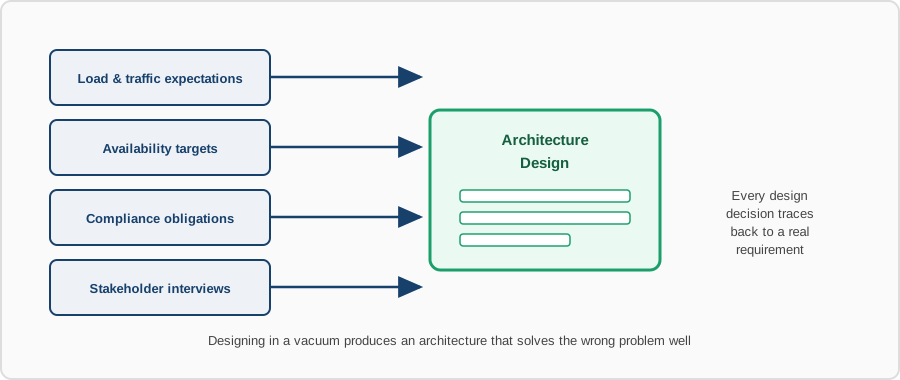
We start with how the system actually needs to behave — expected load, availability targets, compliance obligations, and where the business expects to be in a year or two — rather than designing in a vacuum.
- Load and traffic expectations: current numbers plus realistic growth, so the design isn't sized for today only.
- Availability targets: what uptime the business actually needs (and is willing to pay for) — 99.9% and 99.99% imply very different architectures and budgets.
- Compliance obligations: data residency, industry regulations, or audit requirements that constrain design choices from the start.
- Stakeholder interviews: talking to the people who'll operate and depend on the system, not just reading a requirements document.
2. Topology and Redundancy Design
We map how services, networks, and data stores connect, and deliberately design out single points of failure — the one database node or one network path that would take everything down with it.
- Connection mapping: a clear picture of how every component talks to every other one, so nothing is a hidden dependency.
- Single point of failure elimination: systematically finding the one node, link, or service that would take everything down with it.
- Active-active vs. active-passive: choosing the redundancy model that fits the workload's actual failover requirements and budget.
- Data replication topology: deciding where copies of data live and how they stay in sync, before it becomes a scramble during an incident.
3. Technology and Platform Selection
Cloud, on-prem, or hybrid; managed services or self-hosted — chosen based on what the workload and team actually need, not whichever platform is currently fashionable.
- Deployment model: cloud, on-prem, or hybrid decided against real cost, control, and compliance needs — see our cloud infrastructure consulting for the cloud side of this decision.
- Managed vs. self-hosted: weighing operational overhead against control and cost for each component, not applying the same answer everywhere.
- Vendor lock-in awareness: understanding what switching costs a technology choice creates, and deciding if that's an acceptable trade for the benefit.
- Team skill fit: choosing technology your team can actually operate confidently, not just what looks best on a slide.
4. Security Zone Design
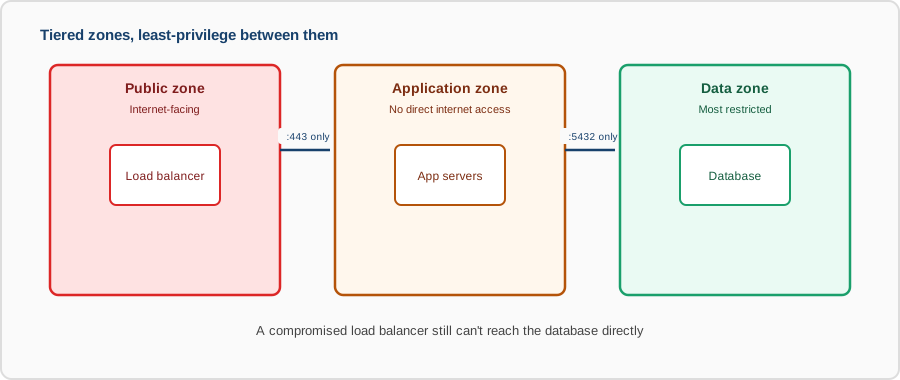
The architecture is segmented from the start — public-facing, application, and data zones kept separate — so a compromise in one layer doesn't automatically mean access to everything behind it.
- Tiered segmentation: public-facing, application, and data zones kept structurally separate, not just logically implied.
- Least-privilege paths between zones: only the specific ports and protocols each tier needs to talk to the next are allowed — nothing broader.
- Compliance-driven isolation: stricter zones carved out where regulations (PCI, HIPAA, or similar) demand it.
- Blast radius thinking: every zone boundary designed around the question "if this is compromised, what else is exposed?"
5. Documentation and Roadmap
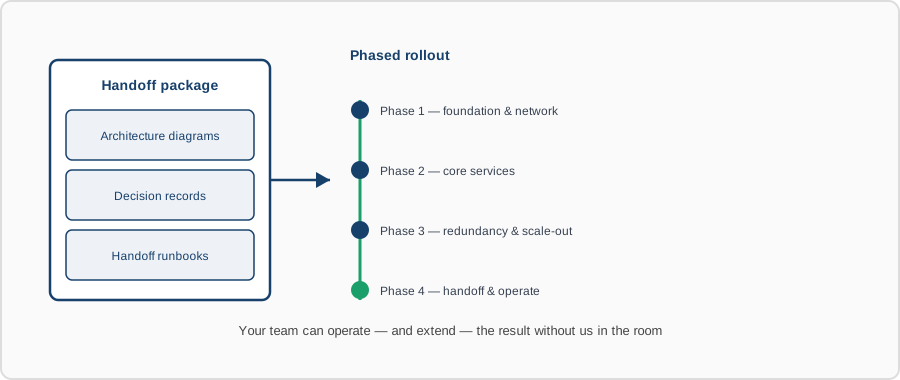
You get real architecture diagrams and a phased rollout plan, not a verbal description that lives only in one engineer's head.
- Architecture diagrams: network and system diagrams that show how everything actually fits together, kept current as the design evolves.
- Decision records: why each major choice was made, so a future engineer doesn't have to guess or re-litigate it.
- Phased rollout plan: a realistic sequence for building out the architecture, not a single big-bang cutover.
- Handoff runbooks: enough documentation that your team can operate the result without us in the room.
Contact us to review your current architecture, or to design one from scratch for a new project.