
Content Strategy
Content that isn't tied to a plan turns into a pile of one-off posts nobody can point to a result from. We build a content strategy that's tied to who it's for, what stage of the buying journey it serves, and what it's actually meant to achieve.
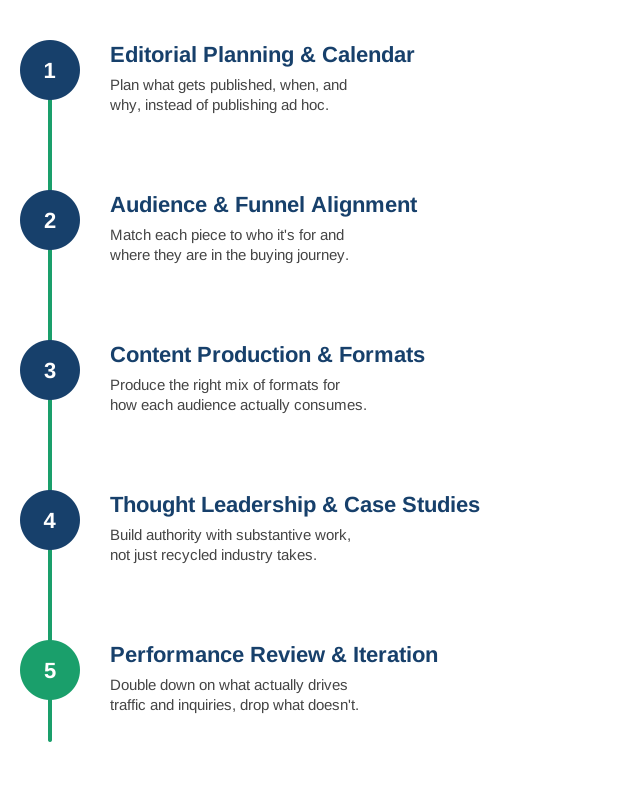
1. Editorial Planning and Content Calendar
We plan what gets published, when, and why — so content ships on a deliberate schedule instead of whenever someone finds the time.
- Topic pipeline: a running list of what to cover next, informed by what your audience is actually searching for and asking.
- Consistent cadence: a publishing schedule that's sustainable to maintain, rather than a burst of activity followed by months of silence.
- Ownership and deadlines: each piece assigned an owner and a date, so nothing quietly stalls in a "someday" backlog.
- Seasonal and event tie-ins: content timed to industry events, launches, or seasonal demand where it genuinely fits.
2. Audience and Funnel Alignment
We match each piece of content to who it's for and where they are in the buying journey, instead of writing everything for the same generic reader.
- Top-of-funnel education: content that answers a broad question for someone who doesn't yet know your services exist.
- Middle-funnel comparison: content that helps someone evaluating options understand why your approach fits their situation.
- Bottom-funnel proof: case studies and specifics for someone close to a decision who needs confidence, not more education.
- Persona-specific framing: the same underlying expertise, presented differently for a technical reader versus a business decision-maker.
3. Content Production and Formats
We produce the right mix of formats for how each audience actually consumes information, not a single format repeated regardless of fit.
- Technical how-tos: detailed, practical guides for readers trying to solve a specific problem right now.
- Comparison and explainer articles: content that helps someone weigh options or understand a concept before they're ready to talk to sales.
- Repurposing across formats: a single piece of research or expertise reworked into an article, a shorter social post, and reference material, instead of starting from scratch each time.
- Internal linking: related articles and service pages linked to each other, helping both readers and search engines navigate the site's depth.
4. Thought Leadership and Case Studies
We build authority with substantive work — real case studies and considered positions — rather than recycled industry commentary that says nothing new.
- Case studies with specifics: real numbers and real constraints, not vague "we helped a client improve performance" claims.
- Considered positions: genuine points of view on how to approach a problem, not restatements of what everyone else already says.
- Original research where it's warranted: content backed by something you actually measured or observed, not just opinion.
- Credibility signals: author expertise and real client outcomes made visible, not hidden behind generic marketing copy.
5. Performance Review and Iteration
We review what content actually drives traffic and inquiries, and put effort behind more of that — instead of publishing at the same rate regardless of results.
- Traffic and engagement review: which pieces are actually being read, shared, and returned to, not just published and forgotten.
- Conversion attribution: which content actually precedes an inquiry, so effort isn't spread evenly across pieces that don't perform the same.
- Content refresh: older pieces updated with current information rather than left to quietly go stale and slide down the rankings.
- Format and topic iteration: what worked gets more investment; what didn't gets dropped or reworked, not repeated out of habit.
Contact us to build a content strategy from scratch, or to get more out of the content you're already producing.