Humanoid Robotics: Key Players and Platforms in 2026
Snapshot as of July 2026 — this is a fast-moving industry; figures below (pricing, production rates, deployment counts) will keep changing.
Through 2025 and into 2026, humanoid robotics shifted from stage demos to two parallel, converging tracks: enterprise-grade robots earning their keep in warehouses and factories, and consumer-priced robots preparing to ship into homes. Below is a snapshot of the companies driving that shift and where each one currently stands.
Industrial & Logistics Deployment
 Boston Dynamics — Atlas (electric)
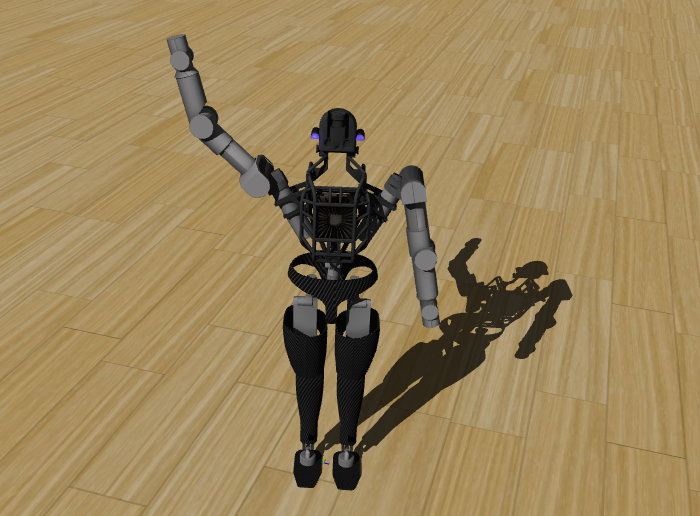
Boston Dynamics unveiled the production-ready version of its all-electric Atlas at CES 2026, standing roughly 190 cm tall, weighing about 90 kg, with 56 degrees of freedom, tactile hands, and a 50 kg payload capacity. AI on the platform is developed with Google DeepMind. Production started at Boston Dynamics' Boston headquarters immediately after the unveiling, and 2026's output is fully committed to two customers: Hyundai's Robotics Metaplant Application Center and Google DeepMind. Hyundai is targeting factory deployment — parts sequencing on car production lines — by 2028.
Read our full company profile of Boston Dynamics →
 Agility Robotics — Digit
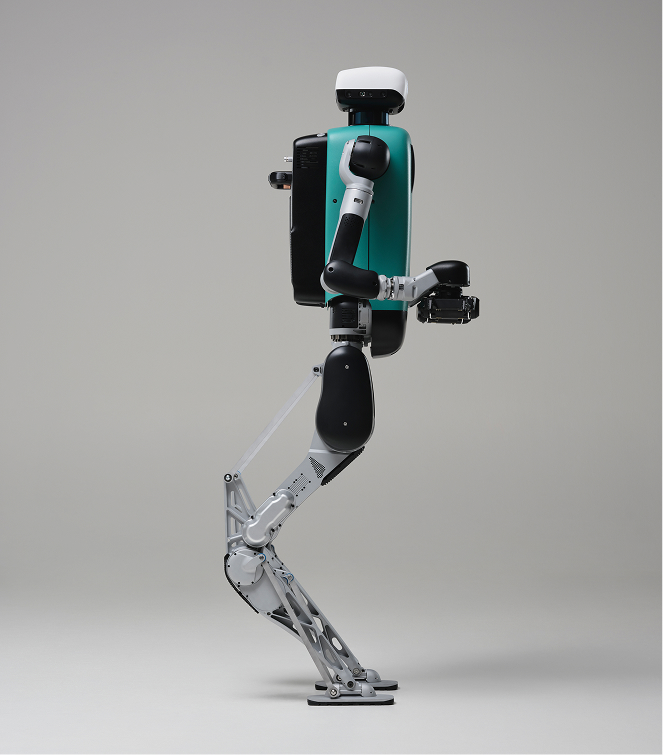
Digit is already working commercial shifts at Schaeffler, GXO, Toyota Motor Manufacturing Canada, and Mercado Libre, with more than 65,000 cumulative operating hours logged across nine customer facilities and over $300 million in multi-year orders for its next-generation Digit v5, which Agility markets as the first "cooperatively safe" humanoid — designed to work in closer proximity to people. Agility opened a 60,000 sq ft "Physical AI" development hub in Fremont, California, and is moving toward a public listing via a business combination with Churchill Capital Corp XI, valuing the company at roughly $2.5 billion pre-money.
Read our full company profile of Agility Robotics →
 Figure AI — Figure 03
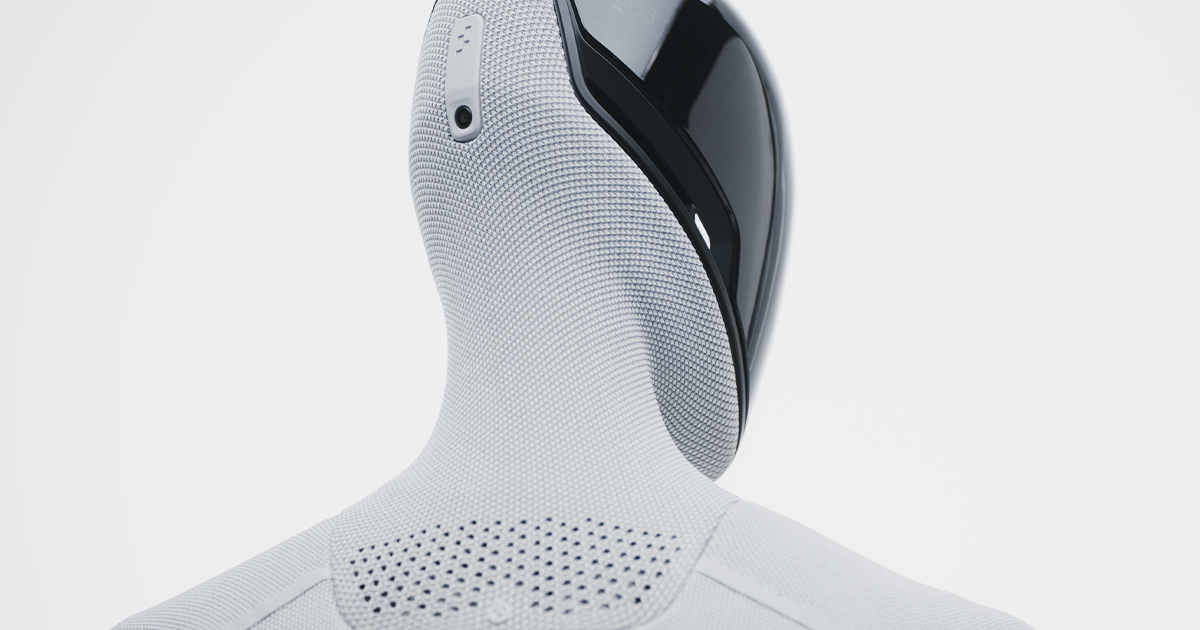
Figure's third-generation robot, unveiled in October 2025, was designed from the start for both commercial floors and home use — soft, washable textiles instead of exposed machined parts, and a wireless charging pad instead of a docking cable. Figure AI says it took under 120 days to scale Figure 03 production from one unit per day to one per hour, delivering more than 350 units in the process. A new "System 0" whole-body control capability lets Figure 03 handle stairs, ramps, and uneven terrain using only its onboard stereo cameras, without task-specific programming.
Manufacturing-Scale Bets
 Tesla — Optimus V3
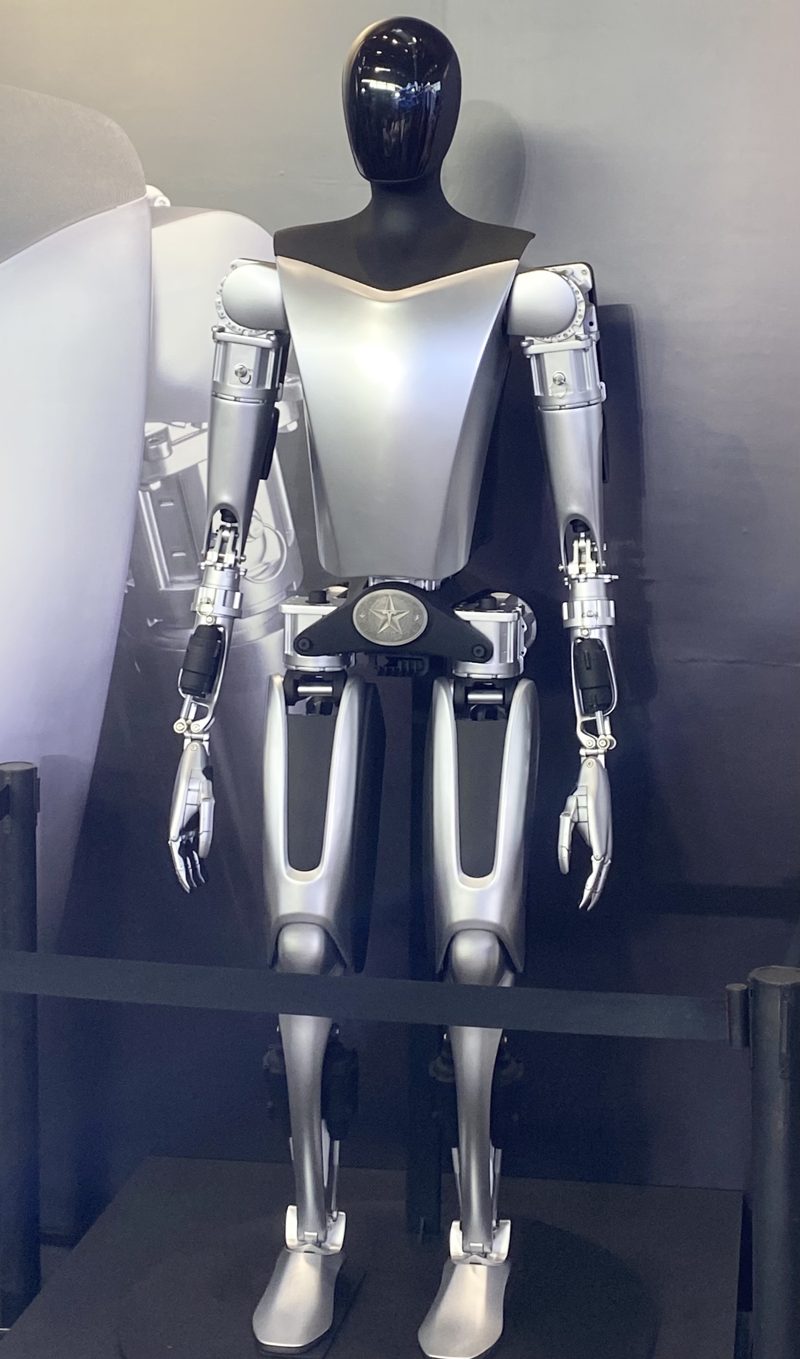
Tesla's third-generation Optimus is 173 cm tall, weighs 57 kg, and features hands with 22 degrees of freedom driven by 50 actuators, running on Tesla's new AI5 chip with xAI's Grok handling voice interaction. Tesla is building a dedicated Optimus production line at its Fremont factory, with Elon Musk publicly warning that scaling humanoid manufacturing will be harder than any production ramp the company has attempted — expect a "long and flat" start. Current build cost is estimated at $50,000–$100,000+ per unit, well above the long-term target of $20,000–$30,000; first consumer units aren't expected before the end of 2027.
 Apptronik — Apollo / Apollo 2
Apollo weighs about 70 kg, runs on swappable batteries for roughly four hours per charge, and was designed around simplified, modular actuators to keep repair and manufacturing costs down. Apptronik is producing the robot with manufacturing partner Jabil, and in June 2026 opened "Robot Park," a nearly 90,000 sq ft training facility in Austin, Texas, where fleets of Apollo 2 units — available in both bipedal and wheeled-base configurations — generate embodied-AI training data in partnership with Google DeepMind. Apollo 3, described as Apptronik's first true commercial product, is targeted for 2027.
Accessible & Home Robots
 Unitree — R1, G1, H1
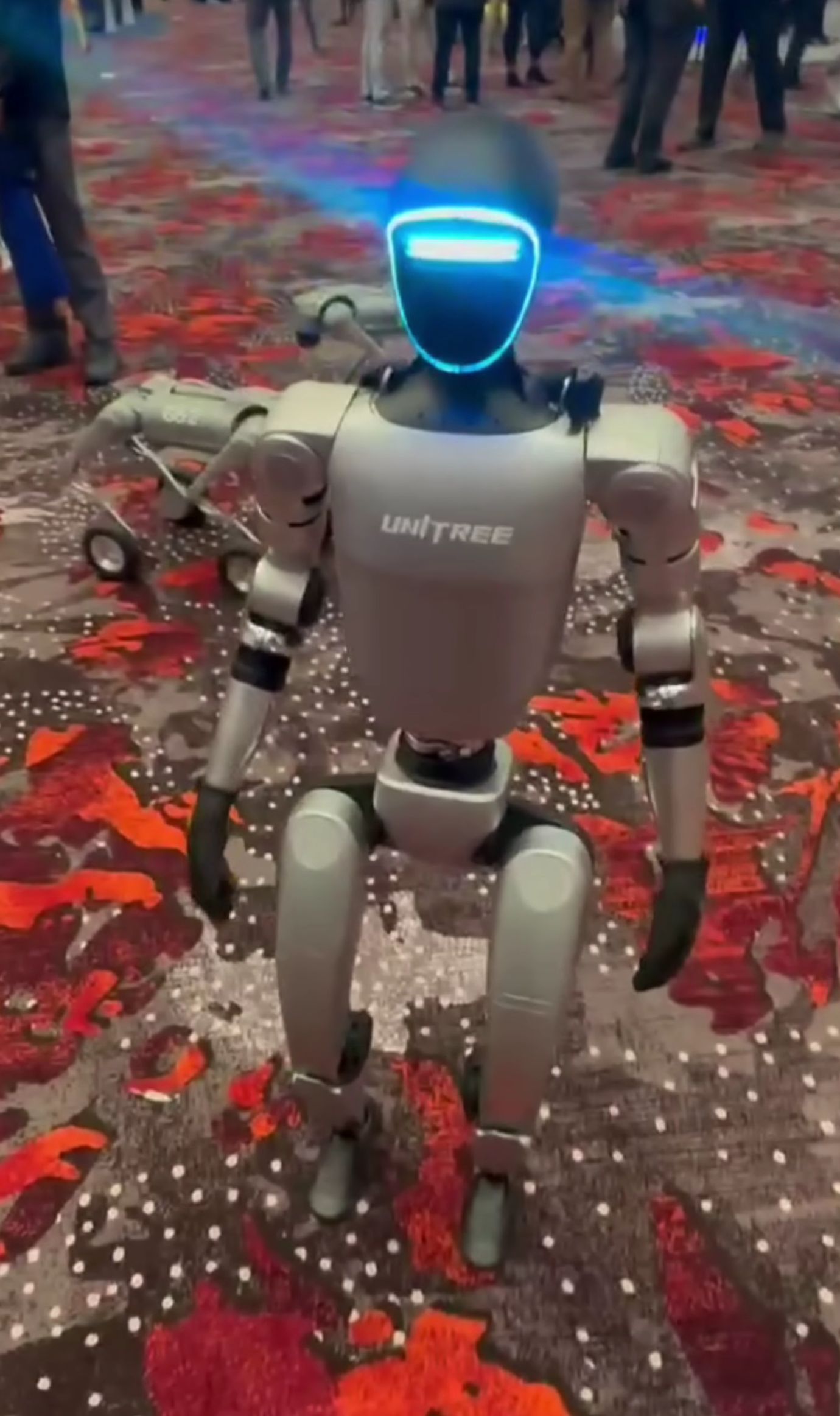
China's Unitree occupies the low end of the price curve: the R1 launched in mid-2025 at $5,900, the G1 lists from roughly $13,500–$17,990 depending on channel (EDU research variants run $43,900–$73,900), and the older, more industrial H1 was priced near $90,000. The G1 has become something of a public showcase — a fleet performed a televised, fully autonomous kung fu routine in February 2026, and a hardened unit logged 130,000 steps in -47°C conditions during a cold-weather test in northwest China. Unitree is also headed toward becoming the first humanoid-robot stock on China's Shanghai STAR Market, after regulators approved an IPO worth roughly $618 million at an implied valuation near $5.9 billion.
 1X Technologies — NEO

NEO is 1X's bet on the home: 5'5", under 66 lbs, with 22-degree-of-freedom hands, a soft body built from 3D-lattice polymer structures, and a claimed noise level of just 22 dB. It's rated to lift up to 154 lbs and carry around 55 lbs, and is aimed at basic household tasks — tidying, fetching items, answering the door. Early Access units are priced at $20,000 (with a $499/month subscription option), and 1X says it booked 10,000 preorders in the first five days of taking them. Full-scale production began in April 2026, with first units targeted for delivery later this year.
Where the Market Is Heading
Two tracks are developing in parallel rather than converging into one. Boston Dynamics, Agility, Figure, and Apptronik are proving out return-on-investment in logistics and manufacturing, where a robot's cost is weighed against a labor shift — and where "cooperatively safe" operation next to humans is becoming a selling point in its own right. Tesla, Unitree, and 1X are racing toward a consumer price point, betting that a sub-$20,000 humanoid can find a place in ordinary homes the way robot vacuums did a decade earlier. Which track scales faster over the next few years is still an open question — but 2026 is the first year both are shipping real units to real customers rather than running demos.
Image credits: company logos and the Figure 03, Tesla Optimus, and 1X NEO photos are sourced from each company's own site. The Unitree G1 photo and the Boston Dynamics Atlas 3D render are via Wikimedia Commons (Atlas render © Olivier Michel, CC BY-SA 4.0). No official product photo of Apollo 2 was available from a rights-clear source at time of writing.